Yujin Plastic Surgery, Dermatology & Stem Cell Research Center · Gangnam, Seoul
★ 4.9 Patient Satisfaction
en-US

Medical Guide
The Difference Between Asian and Western Double Eyelid Surgery
Discover the key differences between Asian and Western double eyelid surgery, including techniques and outcomes. Learn more to choose the right approach for you.
Schedule a ConsultationIntroduction: Why the Distinction Matters
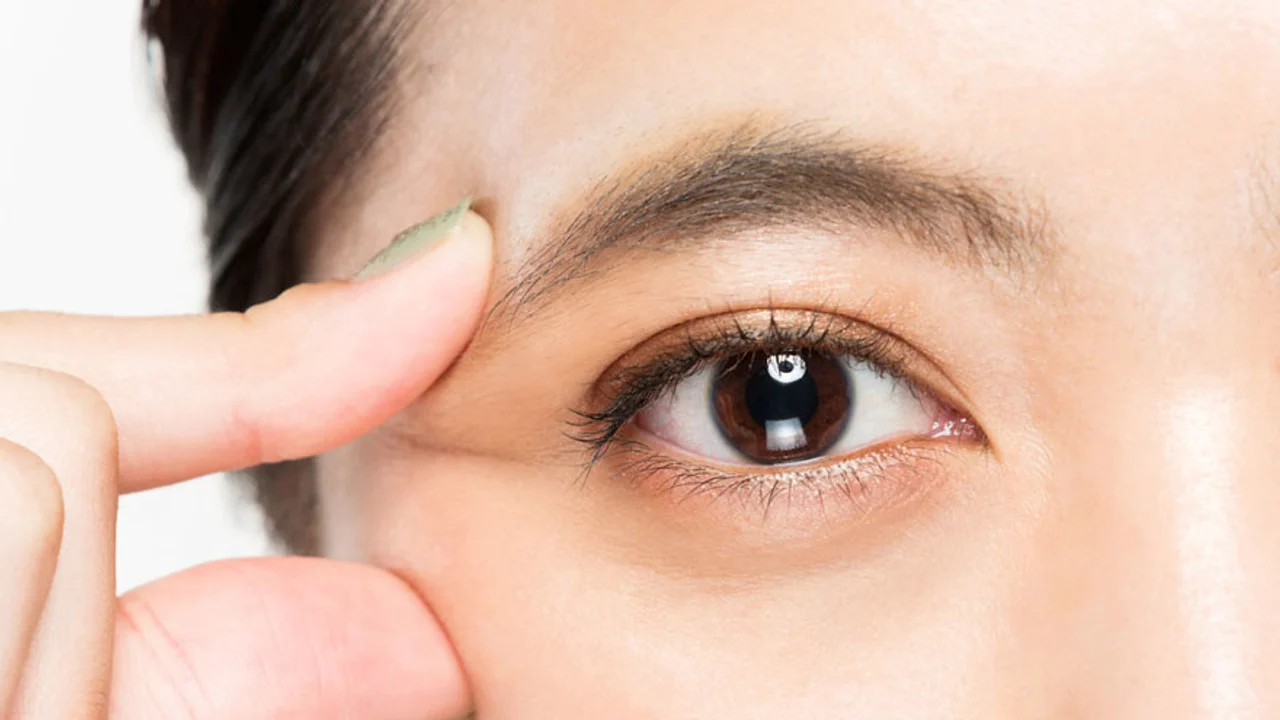
When patients research double eyelid surgery, many don’t realise there are significant differences between "Asian" and "Western" eyelid procedures. These aren’t just cultural preferences; they are based on anatomical, aesthetic, and technical distinctions that influence how the surgery is planned, performed, and ultimately, how natural the results look.
At Yujin Plastic Surgery in Seoul, where eyelid surgeries are tailored for natural, long-lasting beauty, understanding these differences is foundational. A crease that looks elegant on one face may seem artificial on another. Knowing how and why these procedures diverge helps patients make informed, confident decisions.
1. Anatomical Differences
Asian Eyelids (Monolids or Low Creases)
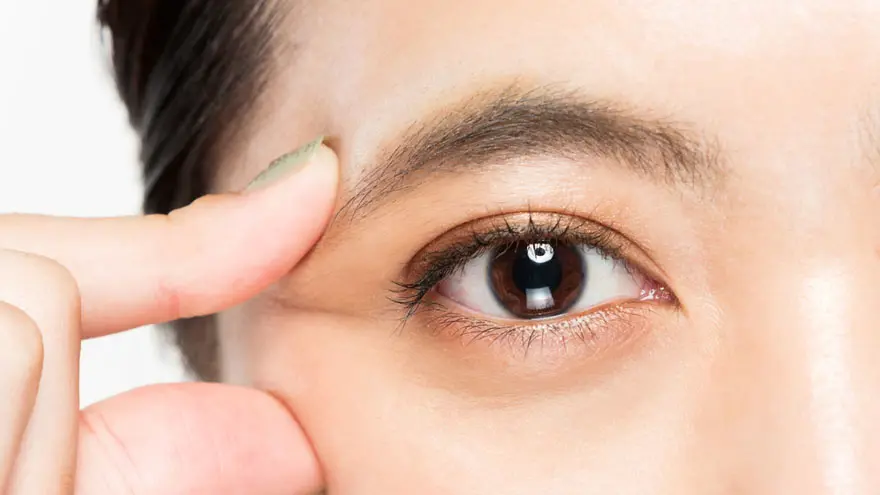
Many East Asian individuals are born without a defined upper eyelid crease, a condition referred to as a “monolid.” Even when a crease exists, it is often low, shallow, or asymmetrical. Several structural traits define the typical Asian eyelid:
- **Absence of a supratarsal fold:**The attachment between the levator aponeurosis (a muscle that lifts the eyelid) and the skin is often incomplete or absent.
-**Thicker eyelid skin:**Contributes to a fuller, puffier appearance.
-**More preaponeurotic fat:**Creates a heavier upper lid, sometimes covering the natural crease.
-**Pronounced epicanthal fold:**This inner-corner fold can give the eye a more rounded or tapered appearance, often addressed in combination with crease formation.
Western Eyelids (Double Creased)
Caucasian eyelids usually present a distinct and high-placed supratarsal crease from birth. Key anatomical features include:
-**Prominent fold above the lash line:**Created by natural attachments between skin and the levator.
-**Thinner skin and less fat:**Which allows the crease to form clearly.
-Larger tarsal plate exposure: Resulting in greater visible “lid show.”
These differences aren't just skin deep—they determine how surgical plans are made, and which methods will yield results that look harmonious.
2. Aesthetic Goals
Asian Double Eyelid Surgery
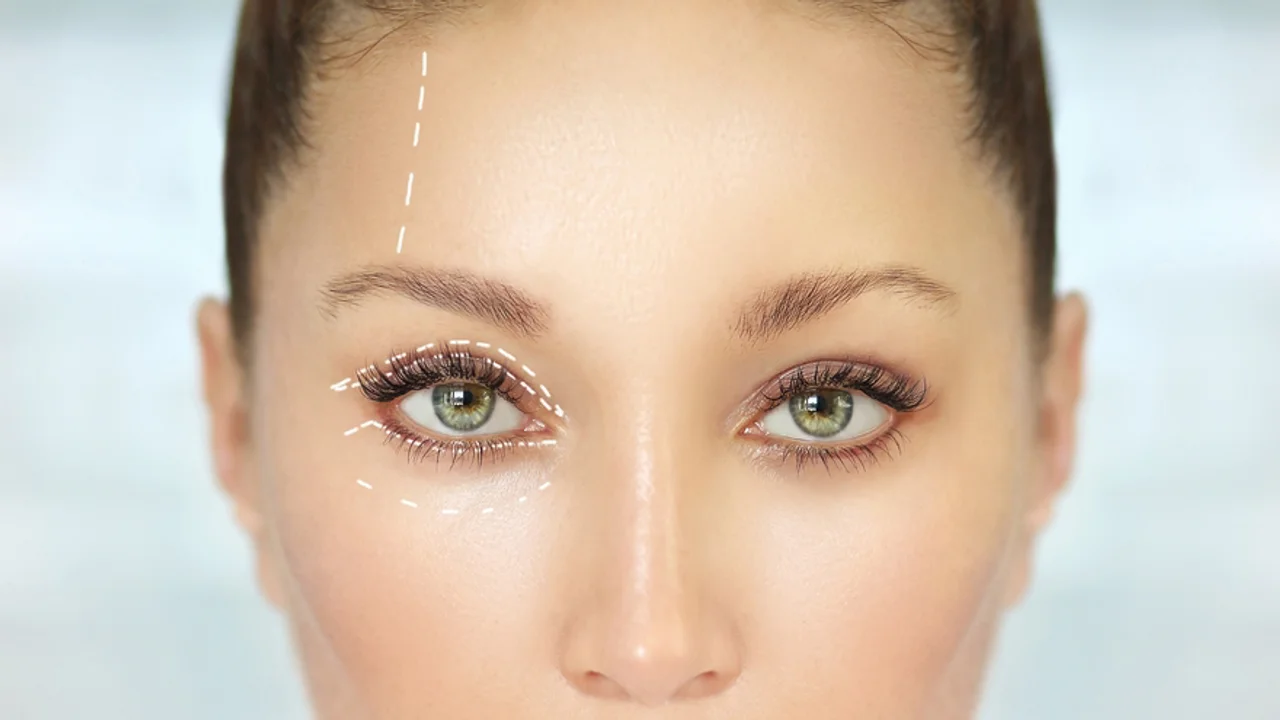
The goal isn’t to Westernize the eye, but to introduce definition while retaining ethnic harmony. This is a critical distinction. At Yujin, our focus is on enhancing natural aesthetics without compromising cultural identity. Patients often seek:
- **A defined yet subtle crease:**One that’s visible but doesn’t dominate.
-**Brighter, more expressive eyes:**Without exaggerating proportions.
-**Facial balance:**Especially when the eyes are naturally asymmetrical or monolid.
Younger patients (late teens to 30s) typically request this procedure for cosmetic reasons. They want their makeup to sit better, eyes to look less tired, or to match a double lid seen in family members.
Western Upper Blepharoplasty
For many Western patients, the aim is restoration, not transformation. Over time, the skin around the eyes loses elasticity, and fat may protrude or sag, leading to hooded or heavy lids. In this case, the goals are:
-**Rejuvenation:**Smoothing and lifting the eye area.
-**Improved vision:**In cases where sagging skin impairs eyesight.
-A more alert, rested appearance: Particularly important in professional and social settings.
Because these procedures are usually sought by older adults, function and aesthetics go hand-in-hand.
3. Surgical Techniques
Asian Techniques
Asian eyelid surgery requires precision and flexibility. At Yujin, every case is individually assessed—whether it calls for a minimally invasive approach or a full incision procedure.
Non-Incisional (Suture) Method:- Ideal for younger patients with thin skin and minimal fat.
Utilizes tiny punctures and buried sutures to form the crease.
Quick recovery (3–5 days of swelling), with minimal bruising.
Limitations: Higher risk of crease loss over time, especially in oily or thick-skinned patients.
-Incisional Method:- Better suited for those with more fat or heavier lids.
-   Allows for removal of fat and precise control over crease placement.

-   Permanent results and more predictable symmetry.

-   Recovery may involve more swelling, but outcomes are longer lasting.
-Epicanthoplasty (optional):- Performed to adjust the epicanthal fold for better crease continuity.
- Enhances the shape and openness of the eye when appropriate.
Surgeons must be cautious not to overcorrect. At Yujin, we prioritize a conservative, artistic approach—avoiding overly high or artificial creases that age poorly.
Western Techniques
Most Western upper blepharoplasties are incisional and follow the natural eyelid crease:
-**Skin excision:**To remove redundancy caused by age or genetics.
-**Fat repositioning or removal:**Helps eliminate puffiness.
-Muscle tightening: In selected cases, enhances eyelid tone.
Since the crease already exists, surgery refines rather than creates. Results tend to age gracefully, as they follow the lid’s natural anatomy.
4. Cultural and Personal Considerations

Asian Patients
Aesthetic values prioritize subtletyandharmony.
The goal is often: “I want to look like myself, just more awake.”
High creases, deep folds, or visible scars are generally avoided.
Patients often bring reference photos of family members, celebrities, or natural-looking results they admire.
Western Patients
A more dramatic “lid show” is often acceptable or even preferred.
Concerns often stem from aging, not the lack of a crease.
Recovery expectations may include short-term swelling, but patients are often more focused on final appearance and vision improvement.
Across both groups, patients increasingly prioritize natural results. At Yujin, we believe the best surgery is one that enhances your features so gently, no one asks whether you’ve had anything done.
5. Why the Right Approach Matters
Using the wrong surgical technique for a patient’s anatomy can result in:
- **Unnatural creases:**Too high, too deep, or too sharp.
-**Visible scarring or fold collapse:**Especially in thick-skinned or oily lids.
-**Asymmetry:**From uneven healing or poor suture technique.
-**Hollowness or lid ptosis:**From excessive fat removal or aggressive dissection.
These outcomes are not just aesthetic disappointments—they often require complex revisions. At Yujin Plastic Surgery, we’ve treated many patients seeking correction after poorly executed procedures elsewhere. The common thread? A lack of personalization in the initial plan.
This is why we emphasize aone-doctor system. Dr. Tae-jo Kang plans and performs every procedure himself, ensuring that patient concerns, anatomy, and aesthetics are integrated from consultation to recovery.
Conclusion: Personalised Excellence Matters Most
Double eyelid surgery isn’t one-size-fits-all. The distinction between Asian and Western techniques isn’t just academic—it’s essential for achieving natural, lasting, and beautiful results.
Whether you're seeking to enhance your natural crease or restore youthful definition, choosing a clinic that understands your goals—and your anatomy—is critical. At Yujin, our philosophy is grounded in natural aesthetics, surgical precision, and long-term harmony.
If you're considering eyelid surgery, ask whether your clinic will personalise the method to your anatomy and goals. Or consider a trusted one-doctor clinic like Yujin Plastic Surgery, where every crease is crafted with care, artistry, and surgical mastery.
More Articles
Continue reading our clinical guides and recovery insights.

Transformative Fat Grafting for Facial Rejuvenation at Yujin Plastic Surgery
Discover natural facial rejuvenation with fat grafting at Yujin Plastic Surgery in Seoul, utilizing advanced stem cell technology for lasting, youthful results.
Learn More
The Benefits of Combining Eyelid Surgery with Facelift Surgery
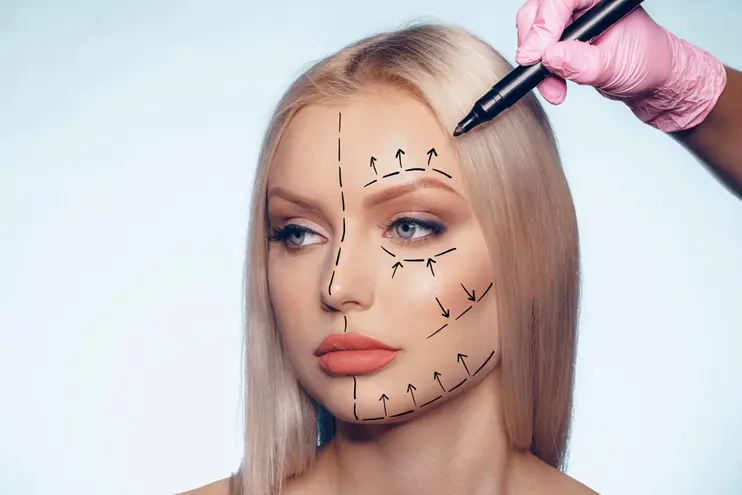
Discover the benefits of combining eyelid surgery with a facelift for a more youthful appearance. Learn how this dual procedure enhances results today!
Learn More

Abdominal Liposuction Prices: Korea vs Global Medical Market Trends
South Korea has long been recognized as the "plastic surgery capital of the world," but in 2026, the narrative is shifting from pure aesthetics to a sophisticated integration of regenerative medicine and high-precision body contouring.
Learn More